PET
What is PET?
PET, or polyethylene terephthalate, is a versatile plastic known for its strength, flexibility, and recyclability. It is commonly used in food and beverage containers, fibres for clothing, and promotional gifts. Developed in the mid-20th century by British chemists John Rex Whinfield and James Tennant Dickson, PET has revolutionised packaging and become a staple material in various industries. The production of PET starts with ethylene glycol and terephthalic acid, which undergo polymerisation to form long chains of PET. This material can then be moulded into strong, lightweight, and transparent products suitable for many applications.
Key Properties of PET: Why It Stands Out
PET is renowned for its excellent barrier properties, protecting contents from moisture and gases. This makes it ideal for food and beverage packaging, maintaining product freshness. PET is lightweight yet strong, offering robustness without adding unnecessary weight. Its clarity allows easy viewing of contents, which is advantageous for packaging and display. PET's recyclability is another significant benefit; it can be reformed into new products multiple times without quality degradation, making it popular among environmentally conscious manufacturers and consumers. Additionally, PET has good chemical resistance, suitable for storing various substances without contamination risks.
PET in Everyday Life: Common Applications
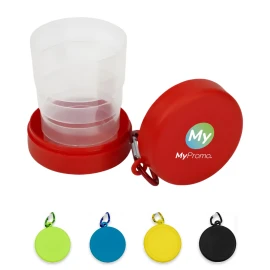
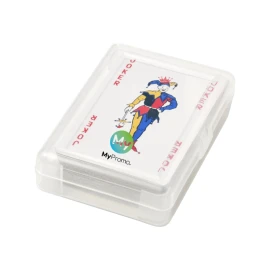
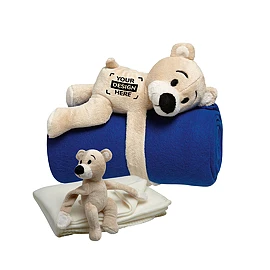
Polyethylene terephthalate is ubiquitous in daily life. In packaging, it is used to make plastic bottles, containers, and trays for food and beverages due to its clarity, strength, and barrier properties. In textiles, PET is used to produce polyester fibres for clothing, upholstery, and industrial fabrics. Promotional products made from PET, such as personalised water bottles, personalized tote bags from recycled PET, and branded storage containers, are popular for their durability and customisation options. These items often feature company logos or messages, offering utility and brand visibility.
Advantages of Using PET in Manufacturing
PET's recyclability significantly contributes to sustainability efforts by reducing environmental footprints and conserving resources. Its versatility supports innovation and efficiency in manufacturing, while its lightweight nature reduces transportation costs and energy consumption. PET's strength and durability ensure long product lifespans, reducing the need for frequent replacements and enhancing overall sustainability. Its ability to retain properties through multiple recycling processes further extends its environmental benefits.
PET vs. Other Materials: A Comparative Insight
Compared to other plastics like PVC and HDPE, PET offers superior clarity and strength. Unlike PVC, PET does not contain harmful chlorine atoms, making it safer for food and beverage packaging. Compared to HDPE, PET is more transparent and has better barrier properties, although HDPE is more resistant to impact and stress cracking. Compared to glass, PET is significantly lighter and less prone to breakage, offering safety and convenience. PET's recyclability also gives it an edge over materials like glass and metal, which can be more energy-intensive to recycle.
Challenges and Limitations of PET
Despite its advantages, PET has some limitations. It can be sensitive to heat, warping or degrading at high temperatures, which limits its use in certain applications. Additionally, the recycling infrastructure for PET varies by region, affecting its overall environmental impact. Ensuring proper recycling and reducing contamination in the recycling stream is essential to maximise PET's benefits.
PET vs. Other Materials
| Property | PET | PVC | HDPE |
|---|---|---|---|
| Transparency | High | Low | Medium |
| Strength | High | Medium | High |
| Recyclability | Yes | No | Yes |
| Chemical Resistance | Yes | No | Yes |
| Barrier Properties | Excellent | Poor | Good |